
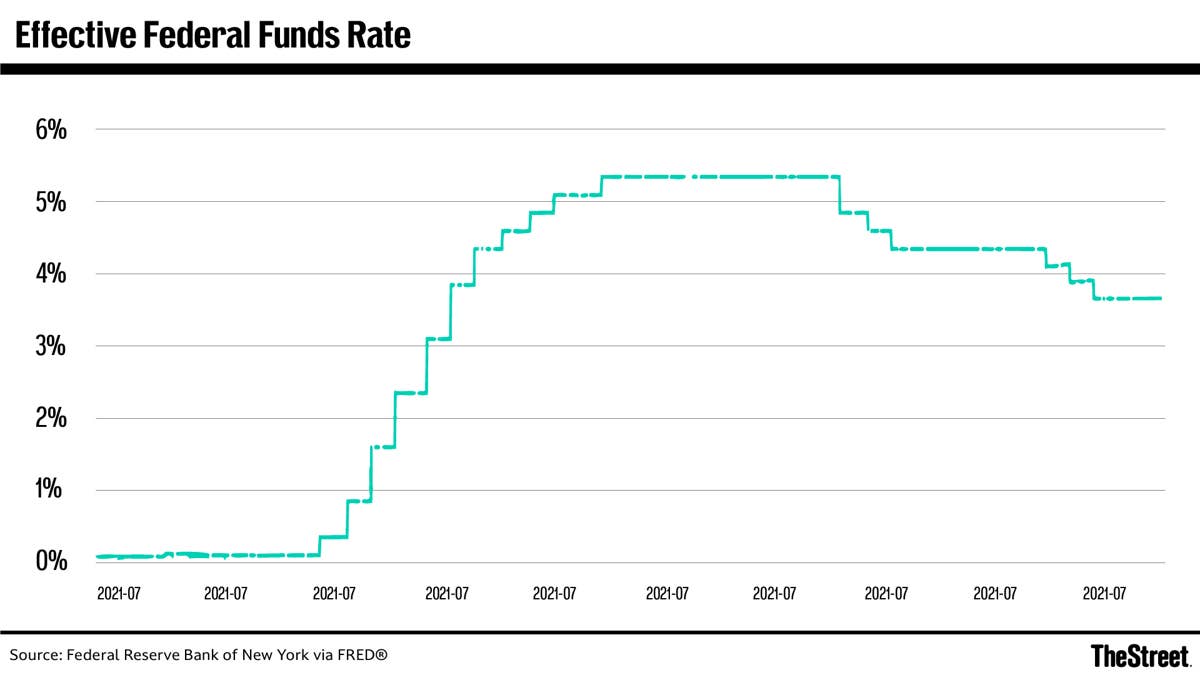

Bond traders are rapidly reshaping their outlook on U.S. monetary policy, increasing bets that the Federal Reservecould raise interest rates before cutting them as persistent inflation risks and geopolitical tensions upend dovish expectations.
Bloomberg reported that swaps linked to central bank rate decisions are currently pricing more than a 50% chance that the Fed raises rates by next April, before easing.
A growing chorus of traders is also ramping up positions looking to hedge the prospect of rate-hike odds rising by the end of the year.
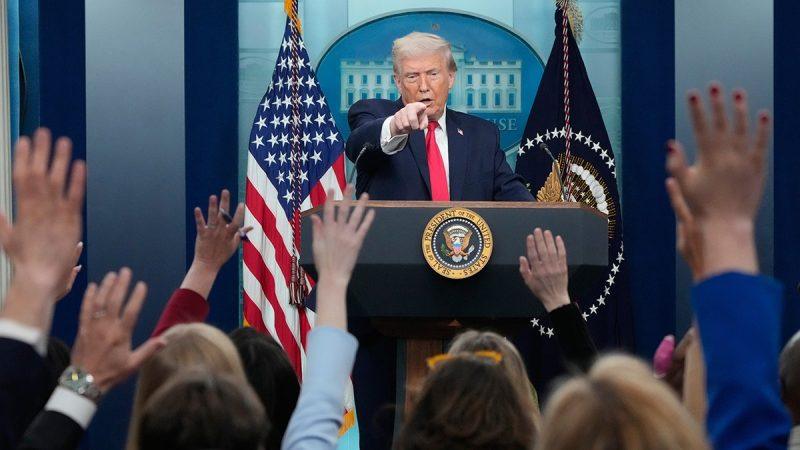
The market shift comes as policymakers appear increasingly divided over the interest-rate outlook, just before Kevin Warsh takes over as Fed Chair following a vocal and demanding campaign by President Donald Trump for lower rates.
Lawrence Gillum, chief fixed-income strategist at LPL Financial, told Bloomberg that chances of a rate cut this year, while still possible, are going down the longer the Iran War goes on.
“No doubt Warsh has a tough road ahead,” he said.
The wagers, seen in both futures and options linked to the Secured Overnight Financing Rate, which closely tracks policy expectations, are gaining traction ahead of the May 8 U.S. employment report.
The data could show conditions in the labor market are stabilizing, allowing inflation risks to take center stage among investor concerns.
Senate vote to confirm Warsh expected next week
The full Senate vote for Warsh to become the next Chair of the Federal Reserve is expected to take place during the week of May 11.
Trump’s nominee successfully cleared a major hurdle on April 29 when the Senate Banking Committee voted 13-11 along party lines to advance his name to the floor.
While an exact day for the final floor vote has not been locked in, the timing is intended to ensure Warsh is confirmed before Jerome Powell’s term as chair formally expires on May 15.
Powell has said he will remain as a Fed governor until such time he is satisfied that legal proceedings against him and the central bank are permanently dropped and erased.
Hawkish FOMC dissents surprise Fed watchers
Fed watchers agree that the hawkish tea leaves spilling out of the central bank’s April 28-29 meeting indicate that some members of the policy-making Federal Open Market Committee wanted to signal that the next interest rate action could be lower rates — something Trump has been demanding and Warsh said was necessary.
The FOMC, in a decisive 8-4 vote on April 29, held the benchmark Federal Funds Rate steady at 3.50% to 3.75%.
The primary point of three of the opposing votes: the two magic words “additional adjustments” which in Fed-speak means in this situation a signaling of resumption of rate cuts.
“People three months ago hadn’t envisioned higher rates and given 2022, don’t want to be caught flat footed so hedge upside risk,” said John Briggs, head of U.S. rates strategist at Natixis North America, referring to the last rate-hiking cycle when investors got hammered, told Bloomberg.
Regional presidents Beth Hammack of Cleveland, Neel Kashkari of Minneapolis and Lorie Logan of Dallas all released independent statements May 1 saying the Fed should be more explicit that the next monetary-policy step may not be a rate cut but rather a rate hike as inflation risks rise due to the Iran War.
“I believe the FOMC should offer a policy outlook that signals that the next rate change could be either a cut or a hike, depending on how the economy evolves,” Kashkari said in a statement released May 1.
FOMC dissents reflect possibility of rate hikes
It was the FOMC’s third pause after cutting rates by 75 basis points during its last three meetings of 2025 due to a weakening labor market — and the first time in more than 30 years the FOMC vote reflected four dissents.
“The center is moving toward a more neutral place,” Powell told the post-meeting press conference, describing the U.S. economy as “resilient” in spite of the price shocks from the Ukraine and Iran wars, the pandemic and Trump’s tariffs.
A neutral state is when an economy operates at sustainable growth with stable inflation and full employment without overheating or recessionary pressure.
It can also indicate that interest rates could move in either direction.
“People are not saying that we need to hike now,’’ Powell told reporters.
Analyst: Interest-rate hikes risk recession
Central banks risk a global recession by raising interest rates in a bid to contain soaring energy costs, Julian Howard, chief multi-asset investment strategist at GAM Investments, told CNBC.
He warned that rate-setters are now “on the verge of policy mistake territory” as expectations of rate rises grow.
Related: Fed drops rate-cut bombshell
Howard said that the traditional response to rising energy costs — ramping up borrowing costs — is an error given the supply-side nature of the current energy price shock.
“The kind of interest rates that are needed to actually stop people filling up their car, to stop people flying, would be seriously high, very, very high — and recession-inducing,” Howard said.
Iran War’s impact on interest-rate bets
The CME Group FedWatch Tool is showing the probability of the next interest rate cut as mid-to-late 2027, a marked change from the beginning of the year.
In the swaps market, the odds of lower rates have now been pushed out to early 2028 with the March 2028 Fed swap price trading eight basis points below the current Fed effective rate.
The Fed’s dual mandate from Congress requires maximum employment and stable prices.
- Lower interest rates support hiring but can fuel inflation. This risks fueling further inflation, potentially leading to an inflationary spiral.
- Higher rates cool prices but can weaken the job market. This increases the cost of borrowing and further stifles economic activity.
“A stabilizing labor market would allow the Fed to firmly focus on policing the inflation shock from oil for as long as that takes before returning to any consideration of rate cuts,” Evercore ISI senior economist Marco Casiraghi and analyst Gang Lyu wrote in a note, adding that their base case is that the war could delay but not derail the cuts.
Related: Incoming Fed Chair Warsh’s rate cut path is on a collision course with White House